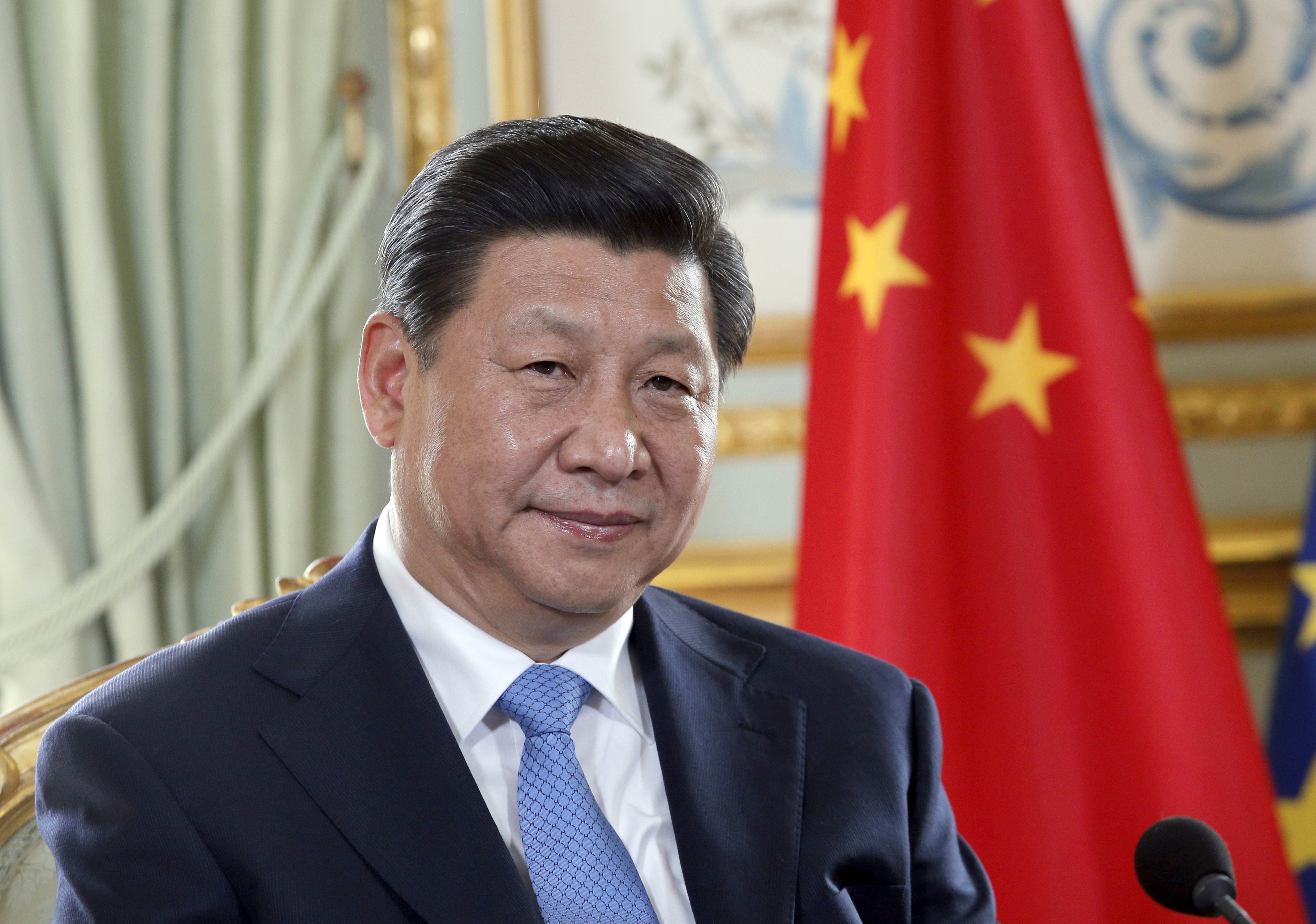
China's Diplomatic Efforts: A Call to Vietnam to Resist Unilateral Bullying
As tensions continue to rise in the South China Sea,
China has been making diplomatic efforts to strengthen its relationships with neighboring countries. In a recent statement, China urged
Vietnam to resist "unilateral bullying" and work together to maintain regional stability. This call comes as Chinese President
Xi Jinping attempts to assert China's influence in the region.
The South China Sea has been a point of contention for many years, with several countries claiming sovereignty over the disputed waters. China's claims are the most extensive, with the country asserting its dominance over nearly the entire sea. This has led to tensions with other countries in the region, including Vietnam, the
Philippines, and
Malaysia.
China's statement, made through its foreign ministry, emphasized the need for cooperation and mutual respect between countries in the region. The statement read, "China and Vietnam should work together to resist unilateral bullying and protect the rights and interests of both countries." This statement is seen as a clear reference to the United States, which has been increasing its military presence in the region and has been accused of interfering in China's affairs.
President Xi Jinping has been working to strengthen China's relationships with its neighbors, including Vietnam. During a recent visit to Vietnam, Xi emphasized the importance of cooperation and mutual respect between the two countries. He stated, "China and Vietnam are close neighbors and friends, and our relations have been developing steadily in recent years." Xi also pledged to increase economic cooperation between the two countries, including investments in infrastructure and trade.
Despite these diplomatic efforts, tensions in the South China Sea remain high. The United States has been conducting freedom of navigation exercises in the region, which China sees as a challenge to its sovereignty. The US has also been strengthening its military alliances with countries in the region, including the Philippines and Vietnam.
In response to China's statement, Vietnam has reiterated its commitment to protecting its sovereignty and territorial integrity. The Vietnamese government has stated that it will continue to work with other countries in the region to promote peace and stability, but will not compromise on its sovereignty.
The situation in the South China Sea is complex and multifaceted, with many different countries and interests involved. China's diplomatic efforts, including its call to Vietnam to resist unilateral bullying, are seen as an attempt to assert its influence in the region and promote its own interests. However, the success of these efforts remains to be seen, and the situation in the South China Sea is likely to remain tense for the foreseeable future.
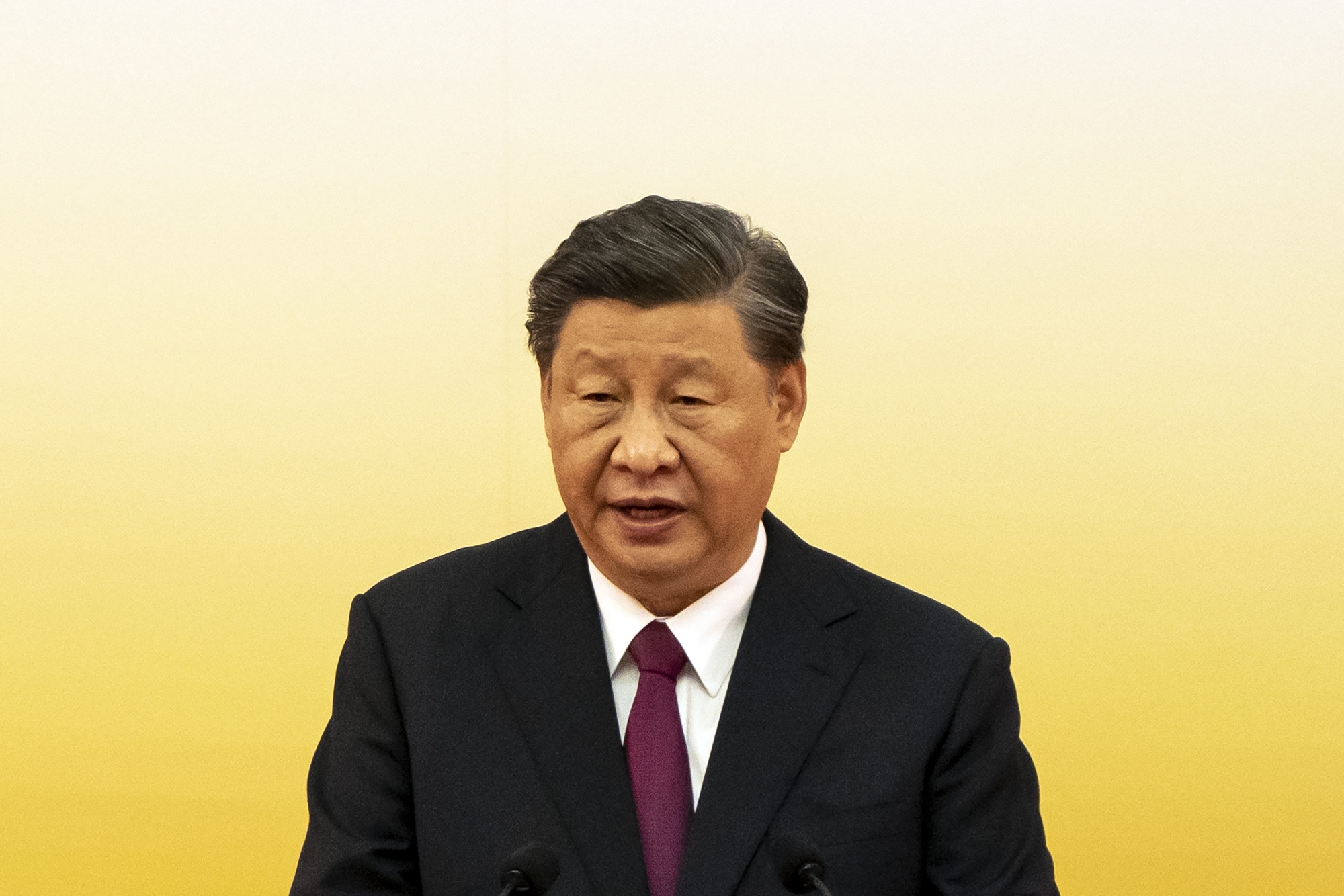
In conclusion, China's call to Vietnam to resist unilateral bullying is a significant development in the ongoing saga of the South China Sea. As tensions continue to rise, it is clear that diplomacy will play a crucial role in resolving the situation. China's efforts to strengthen its relationships with its neighbors, including Vietnam, are an important step towards promoting peace and stability in the region. However, the success of these efforts will depend on the willingness of all parties involved to work together and compromise on their differences.
Key Takeaways:
China has urged Vietnam to resist "unilateral bullying" and work together to maintain regional stability.
The statement is seen as a clear reference to the United States, which has been increasing its military presence in the region.
President Xi Jinping has been working to strengthen China's relationships with its neighbors, including Vietnam.
Tensions in the South China Sea remain high, with many different countries and interests involved.
Diplomacy will play a crucial role in resolving the situation, and China's efforts to strengthen its relationships with its neighbors are an important step towards promoting peace and stability in the region.
Related Articles:
South China Sea: What's behind the tensions?
China and Vietnam: A delicate dance in the South China Sea
China's Xi Jinping visits Vietnam as South China Sea tensions rise